

The 500 WHP Built FR-S
After drooling over the concepts, early in 2013 we got our first 86. Tthe venerable Sprintex 335 equipped BRZ, as seen here: http://www.ft86club.com/forums/showthread.php?p=1280588. This car served as our R&D platform for many years, leading to becoming one of the leading tuners for the platform, and a successful engine building program for the FA20 and FA20DIT that we offered through 2017.

It ran for 50k miles by the time it was traded in, and a leak down after the fact showed perfectly good numbers, scoping the bores showed very little wear. The car had a supercharger for at least 35k of those miles, probably more, much of which was on ethanol. Lots of track days and it was a blast until the end. The time has come for a rebirth, and we wanted to do a project to see how affordable we can make performance on the platform. So what could be better than when a salvage titled FR-S popped up on craigslist--enter, the #lowbuckfrs, aka "The People's 86". Plan is to get it running and then choose a FI platform that will get about 400 hp or so. We're not shooting for CD009 swaps but are going to work around the factory transmission--for now.


Pulling the VIN and running it through the database we find out that the car actually has 70k something miles, and was a flood car in Houston as well. Was driven for a couple of years, then crashed as above. So at least we know the flood damage was fixed, whatever it might have been. And given the price it was an easy decision. We do know the motor is knocking, but being that it runs at least we get an idea as to what the damage might be. Once we got it inside we can see the car definitely looks like it went for a swim. Headlights are pretty beat as are the tails, not something we're worried about at this point. The important things all work, and running it briefly on and off the trailer there is a hint of rod knock past 3k rpm. At least it has not blown yet so the case halves and heads should be salvageable. First order of business is to take it apart and see what we need.


The teardown came next, not surprisingly we found a bad couple of bearings. Further disassembly revealed a mostly intact motor, but the crank was in bad shape, and the case halves were also a very worn with a 0.25mm out of round measurement where the piston was pushing against the bore. Looking at the condition of the hardware it looks as if this car had had the exhaust and header messed with before, and the injector clips looked to have plier marks on them. This leads me to suspect that it had some kind of FI on there in the past...or at least some major service.


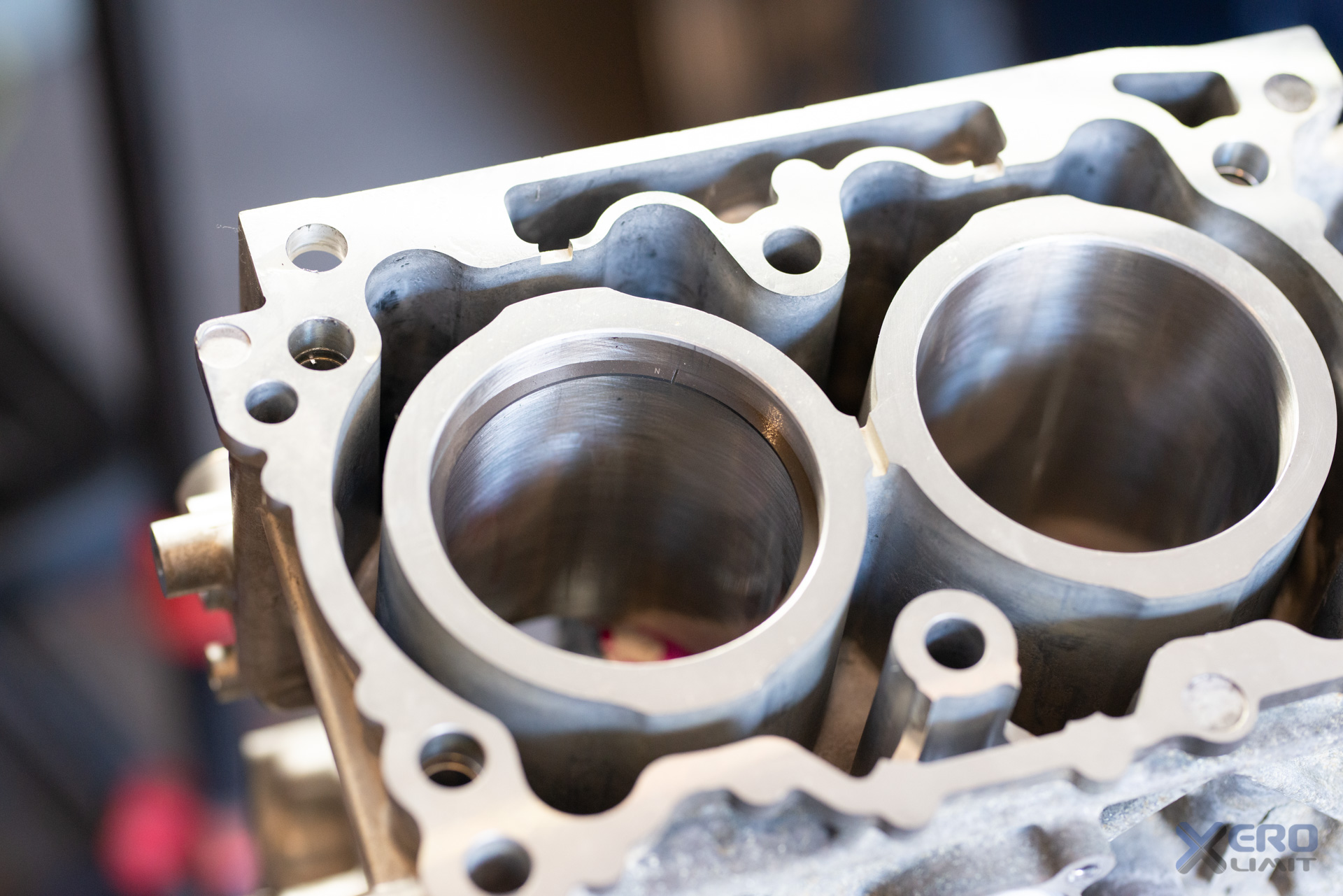
After a few weeks of getting all the parts figured out, we got the case halves back from our machinist. Case halves were bored 0.5mm over, precision honed, and decked.

With a 0.5mm overbore the case halves were saved, we were able to take all the wear out and still have a serviceable cylinder wall thickness.

Crank was measured and mic'd up, we plastigaged it just to be sure.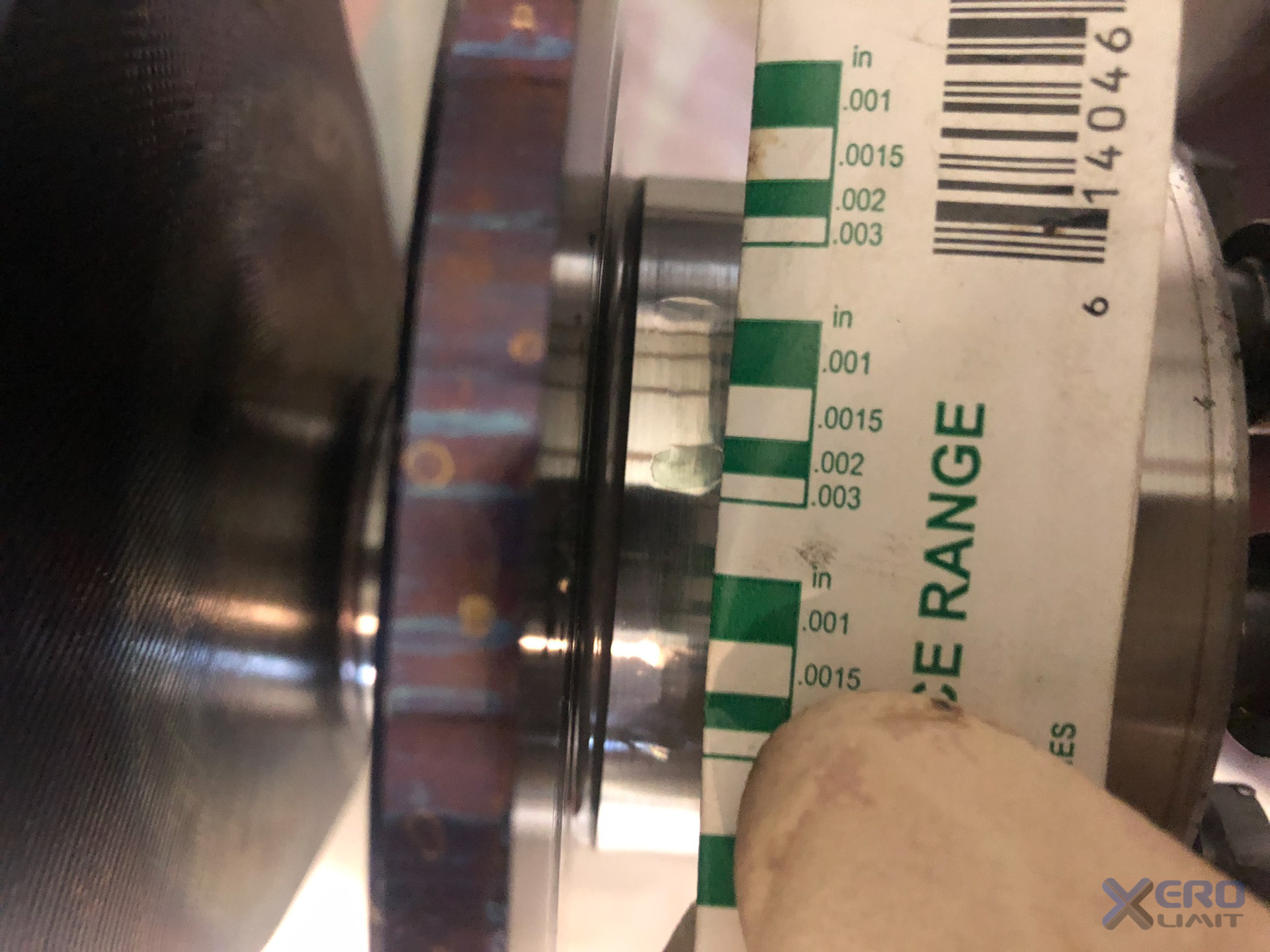


And then came the assembly.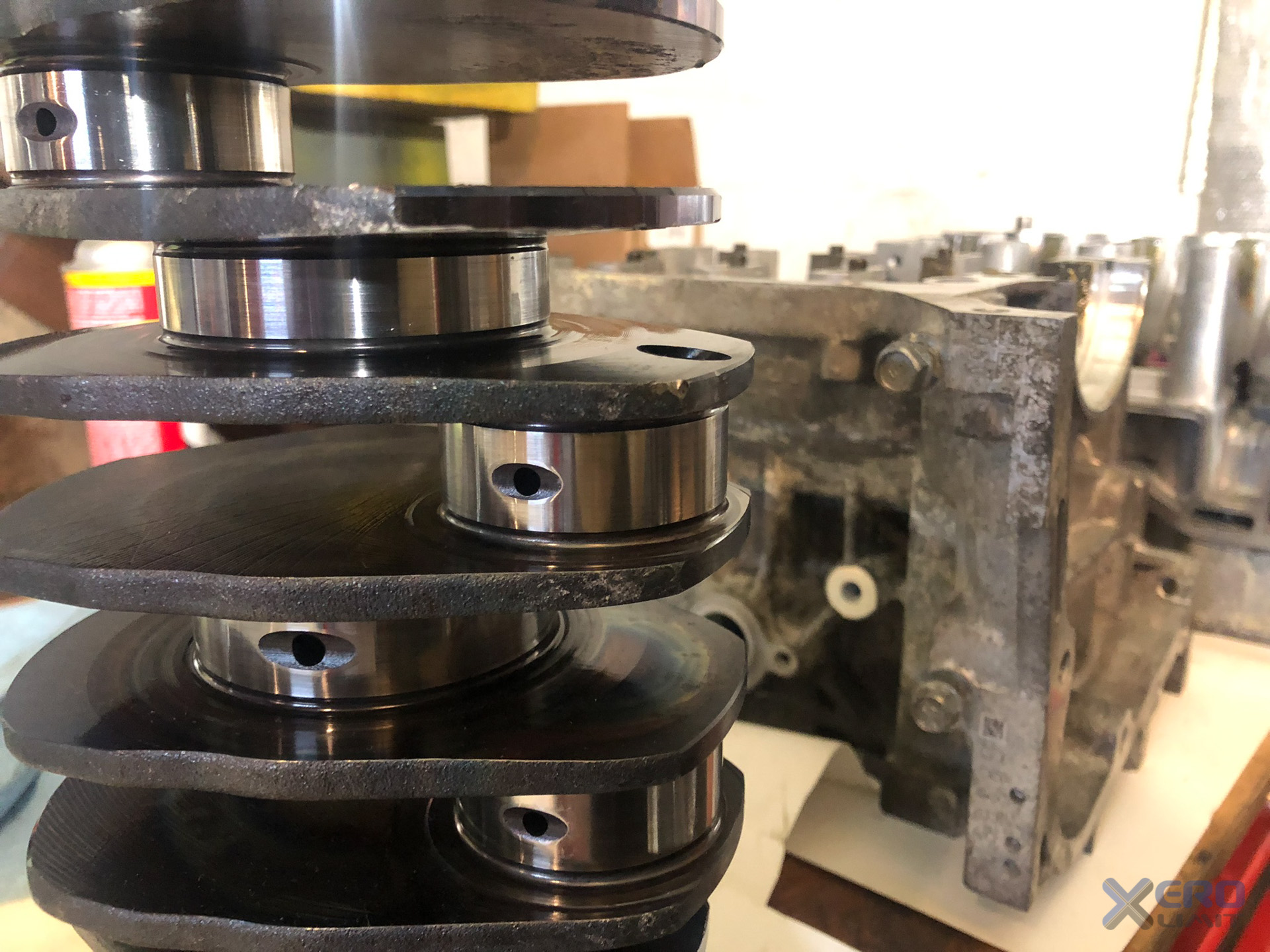


We're using JE Pistons at stock compression with their zero clearance coating, this should reduce cold start wear. Brian Crower rods were chosen for their price/performance ratio. We went with standard ARP2000 hardware, the reality is that with a rocker valve train we don't want to push past 8,000 anyway, and the ARP 625 hardware benefit is not something you're likely to utilize below 9000 RPM. We've used JE and CP pistons in the past, and have never had any issue with either so we are going with this decision purely on shelf stock status in the overbore, price is very similar.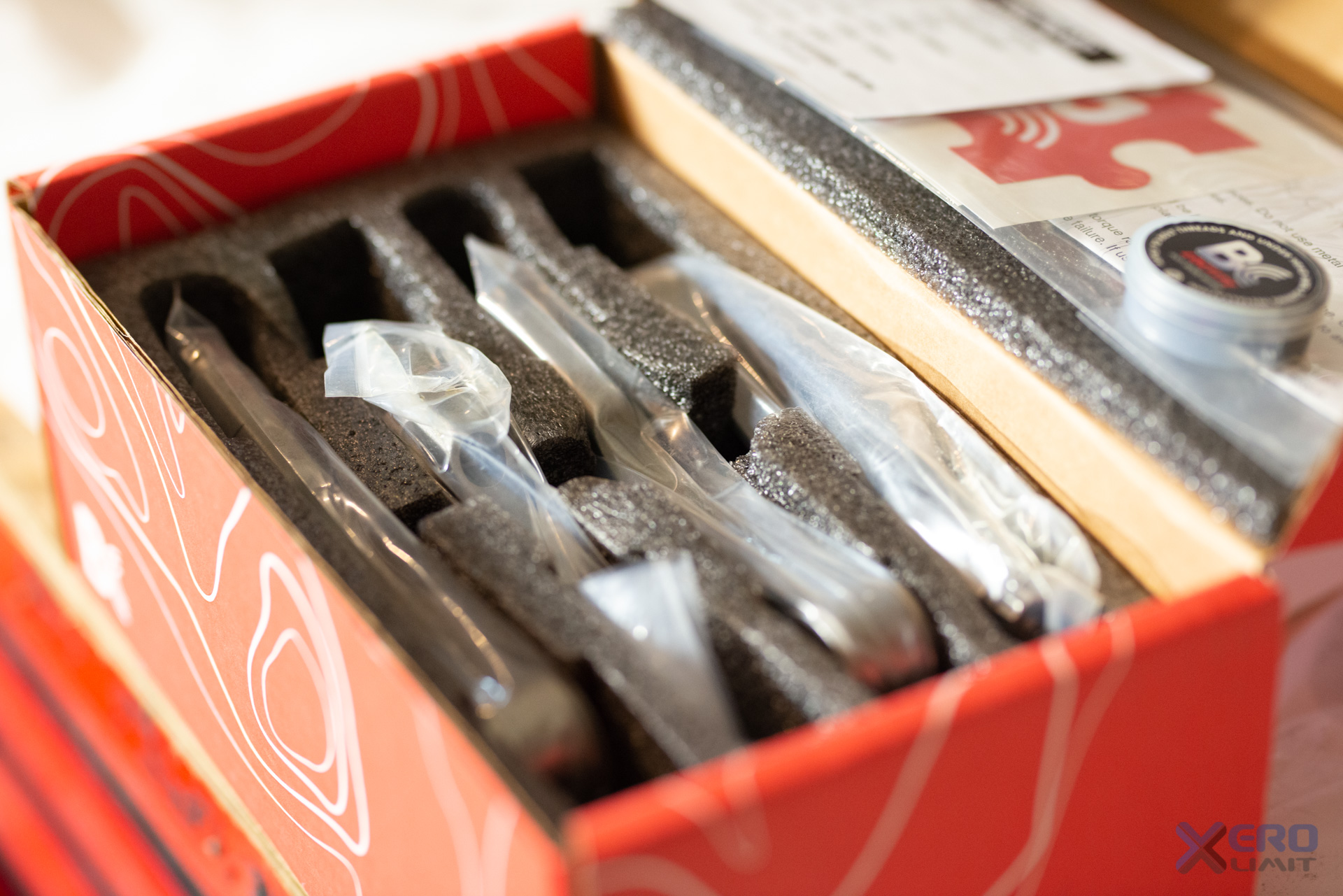
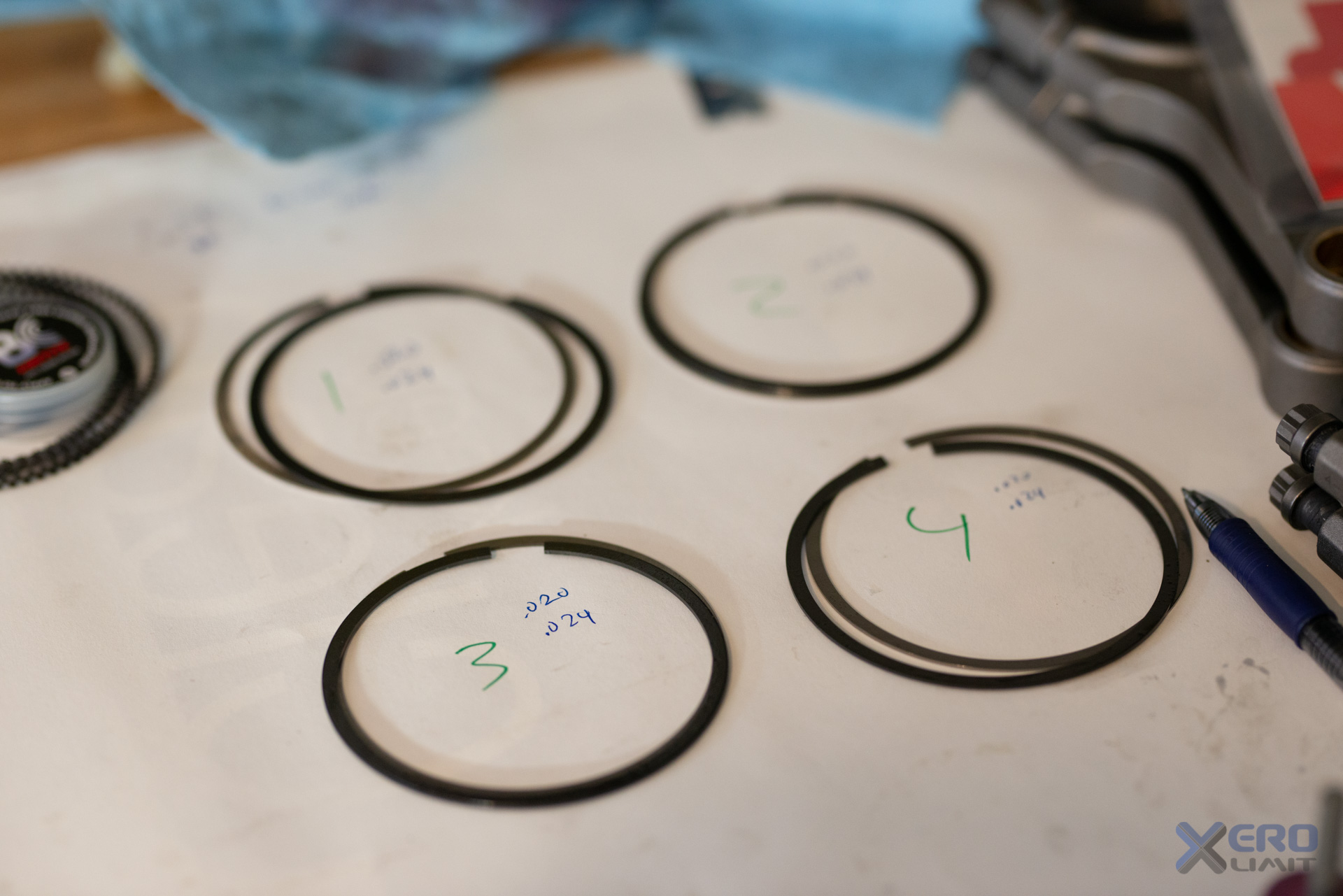
File fitting the rings

 We're going with slightly larger gaps for this build. This should make it a bit more tolerant of track day heat.

 And the short block all buttoned up

One thing we did not want to chance is the oil pump. Years ago Phil's BRZ suffered massive failure of the OEM oil pump, which shattered and took out a built motor. We have been installing the Reimax gear shortly after they were released, and on this build we wanted to integrate that into the setup regardless of cost.

OEM front cover disassembled and cleaned

The new larger Reimax gear includes a spacer to fit the thicker gear, about 2mm.

To get this to work the oil pump cover needs to be machined about 2mm.


Then the pump is packed with grease and the bolts are loctited in.


Next up was the crank pulley seal, new one put in.

Also got some new DI seals on the injectors, now just waiting on a few more parts to continue the build. The DI seal replacement is pretty straight forward on the 86 with the right tools. Take your time and lube the seal lightly.


Got some more work done the last couple of weeks.
Car sitting far too high in the front--we will change that!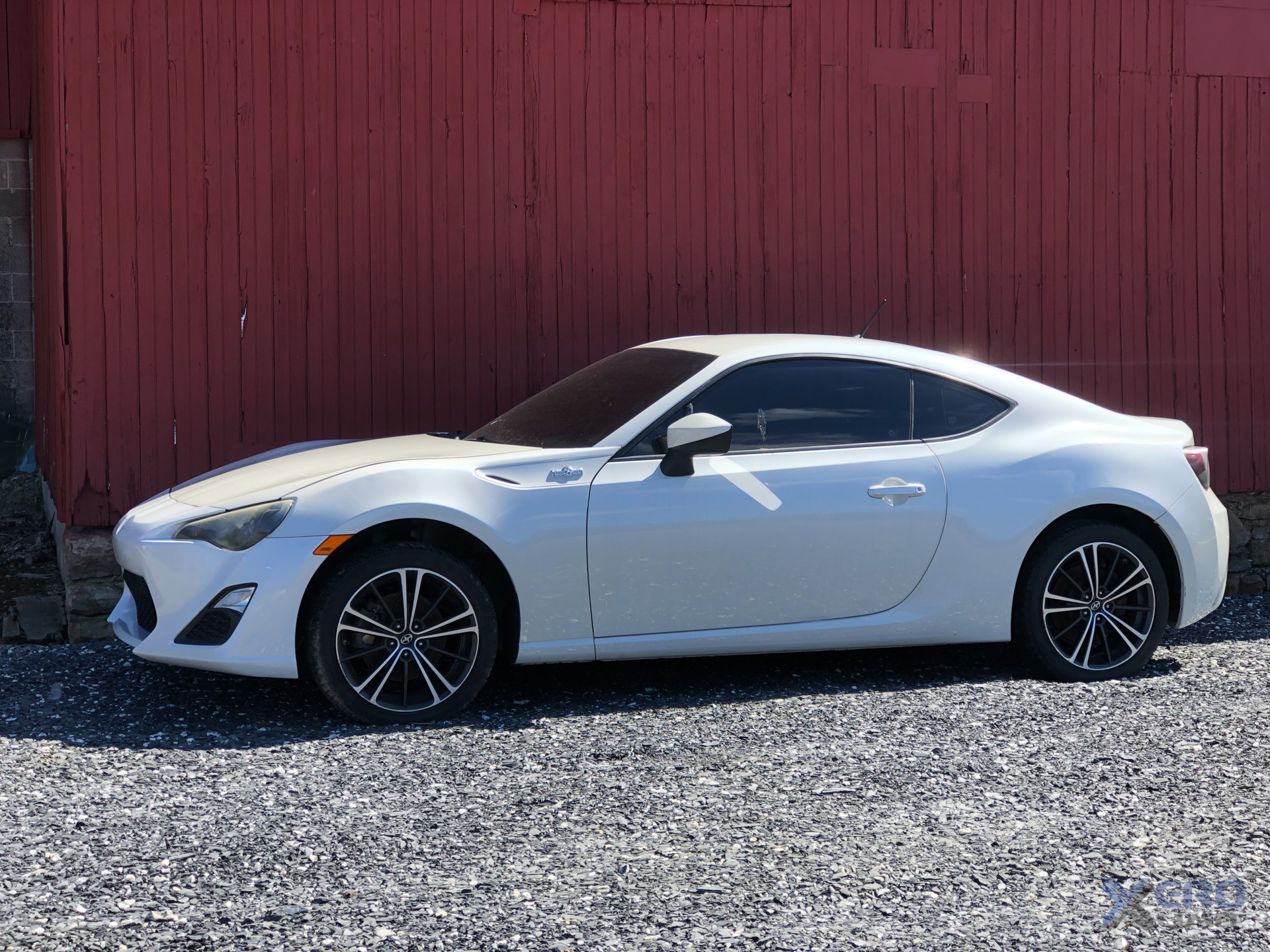 Because the car here had a spun bearing with metal everywhere, we went to town tearing everything apart, include the cam carriers. There are two small filters in there that go to the variable cam, make sure to clean those out and/or replace if they are damaged.
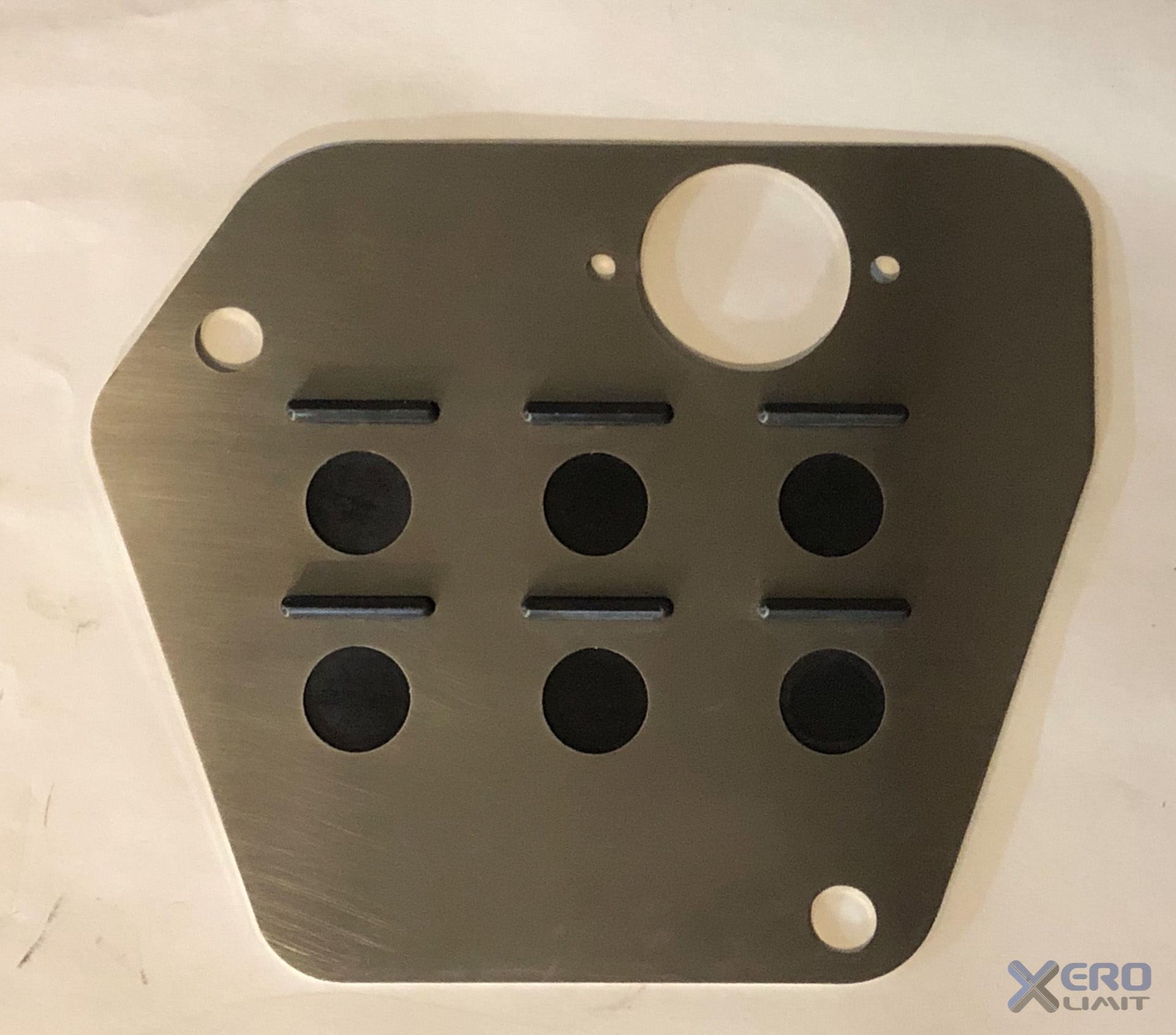
Fairly typical wear, most of the motors we've disassembled have had similar wear patterns.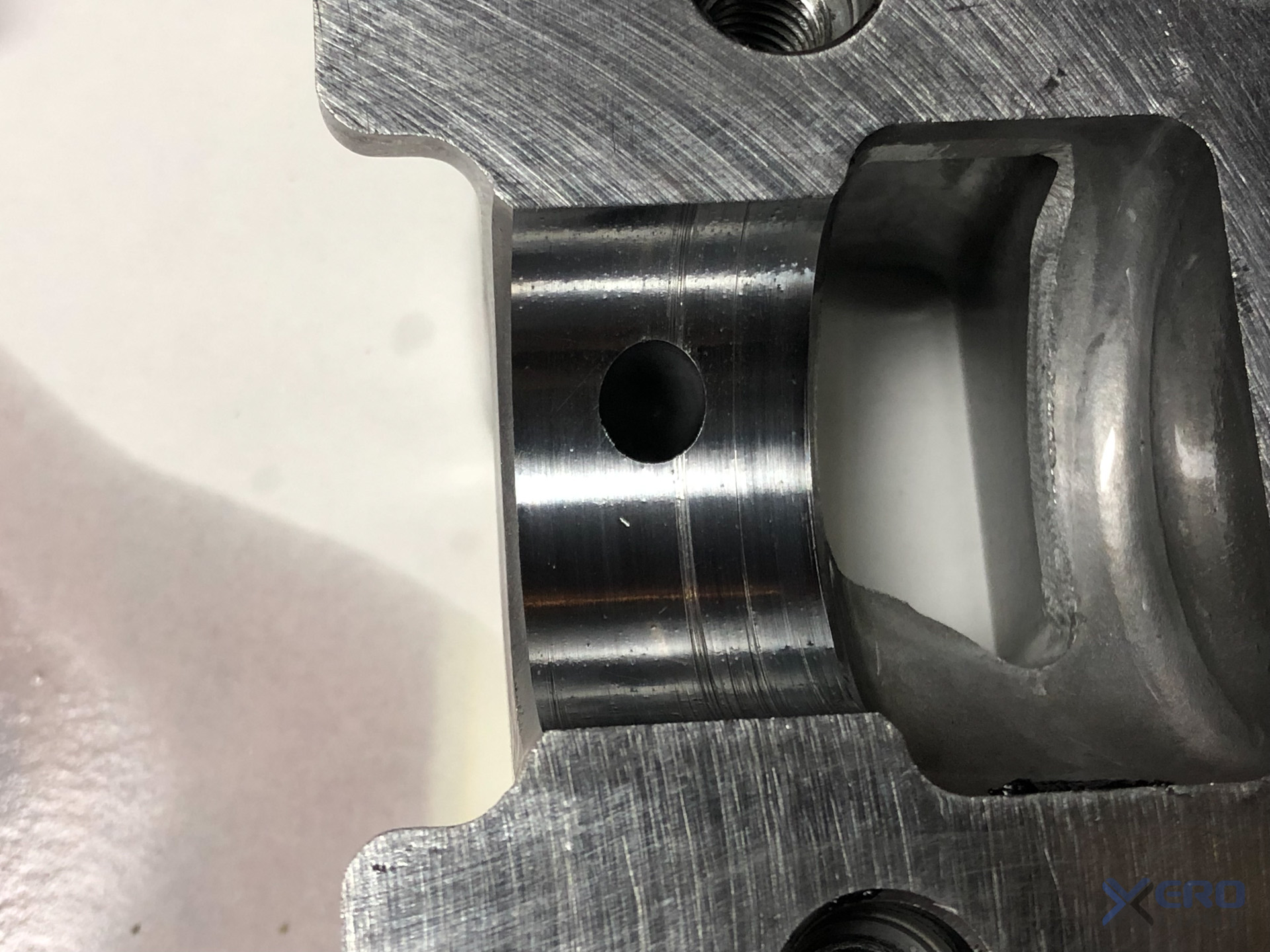 The Bluemoon Performance baffle plate is going to be going in on this build.
 Head on with some ARP head studs.
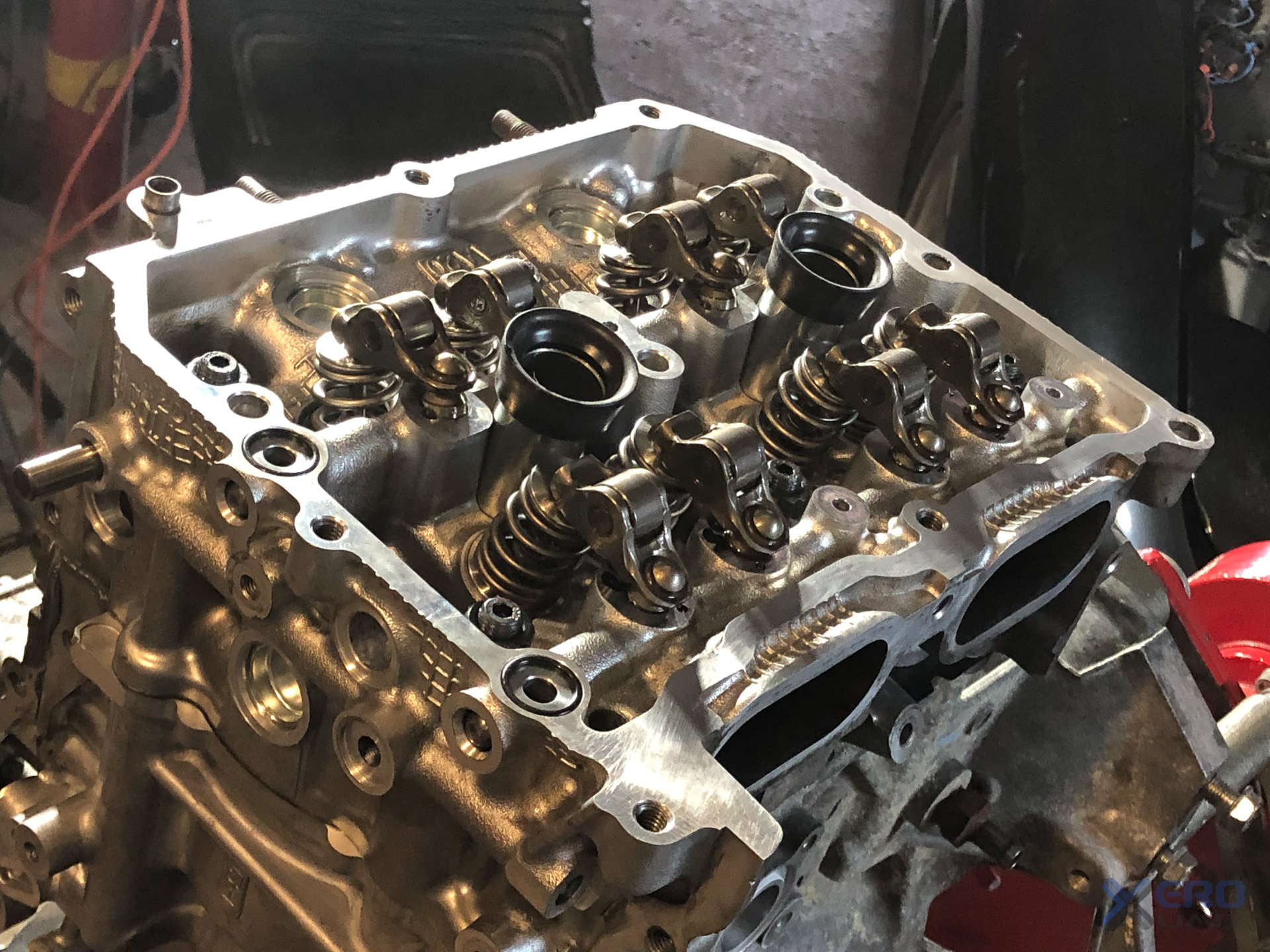 Both heads on and torqued. Valve lash was no big deal to set.
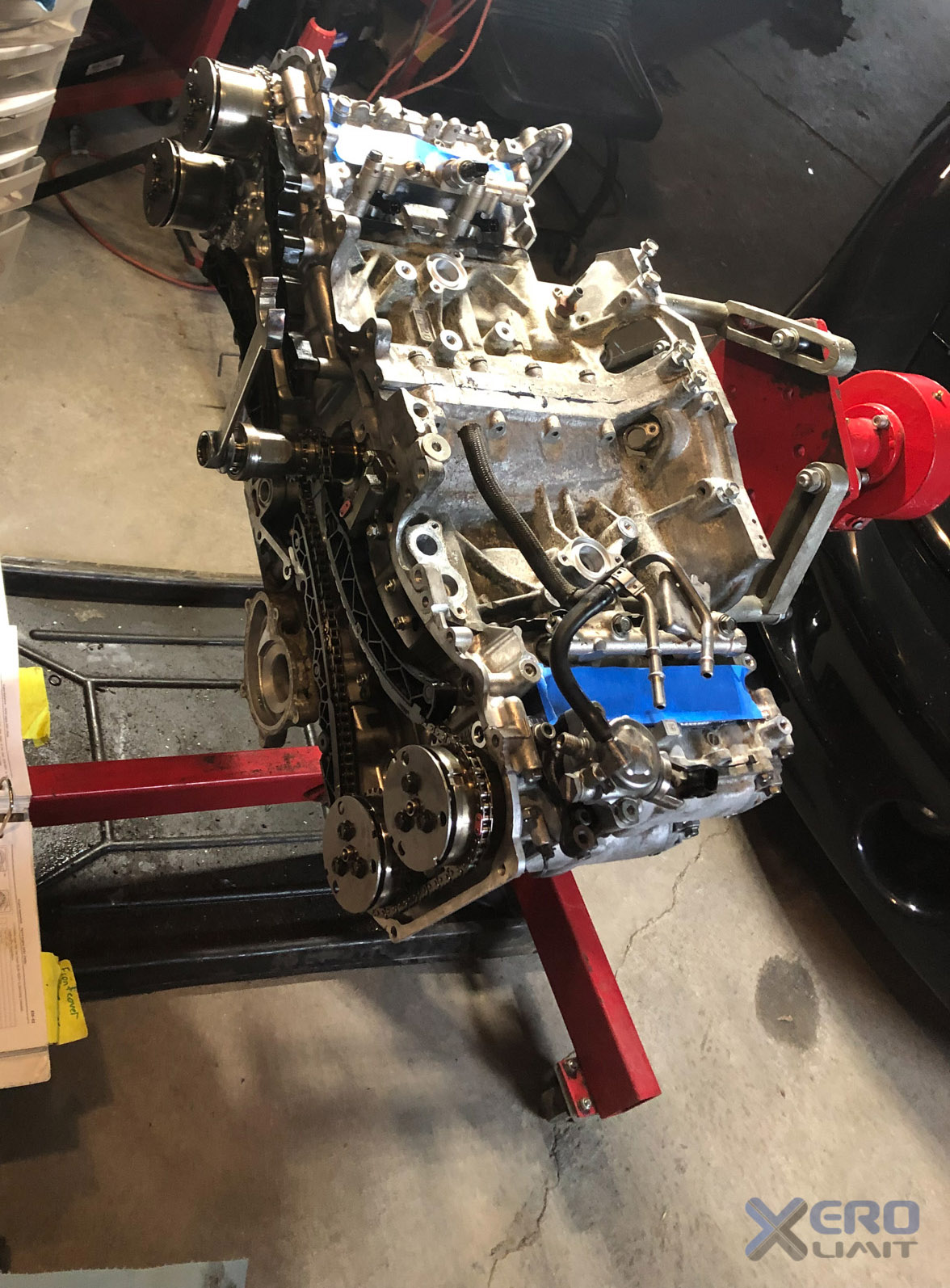 Then the rest of the assembly with the top parts.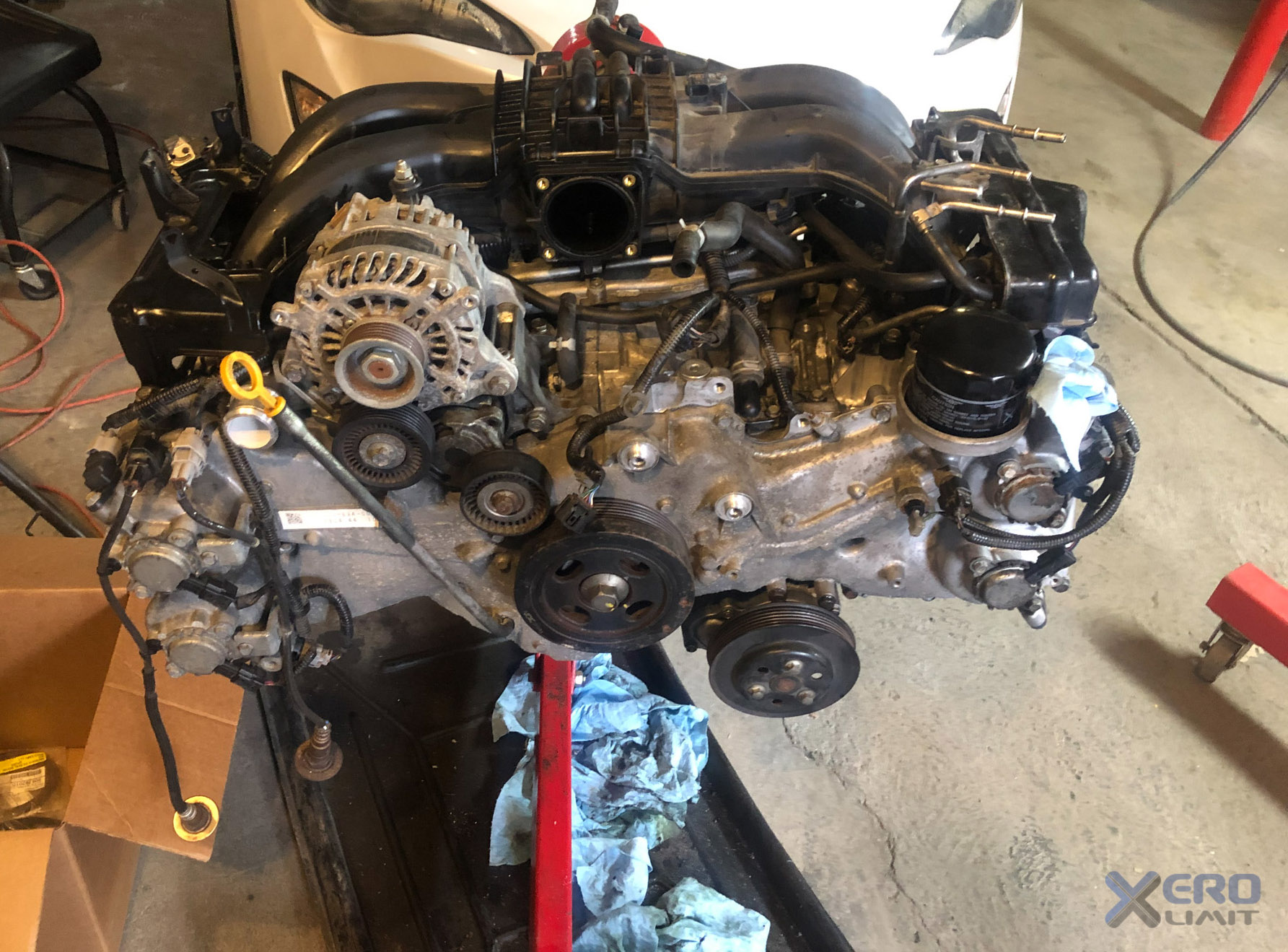
Then time for the clutch and flywheel
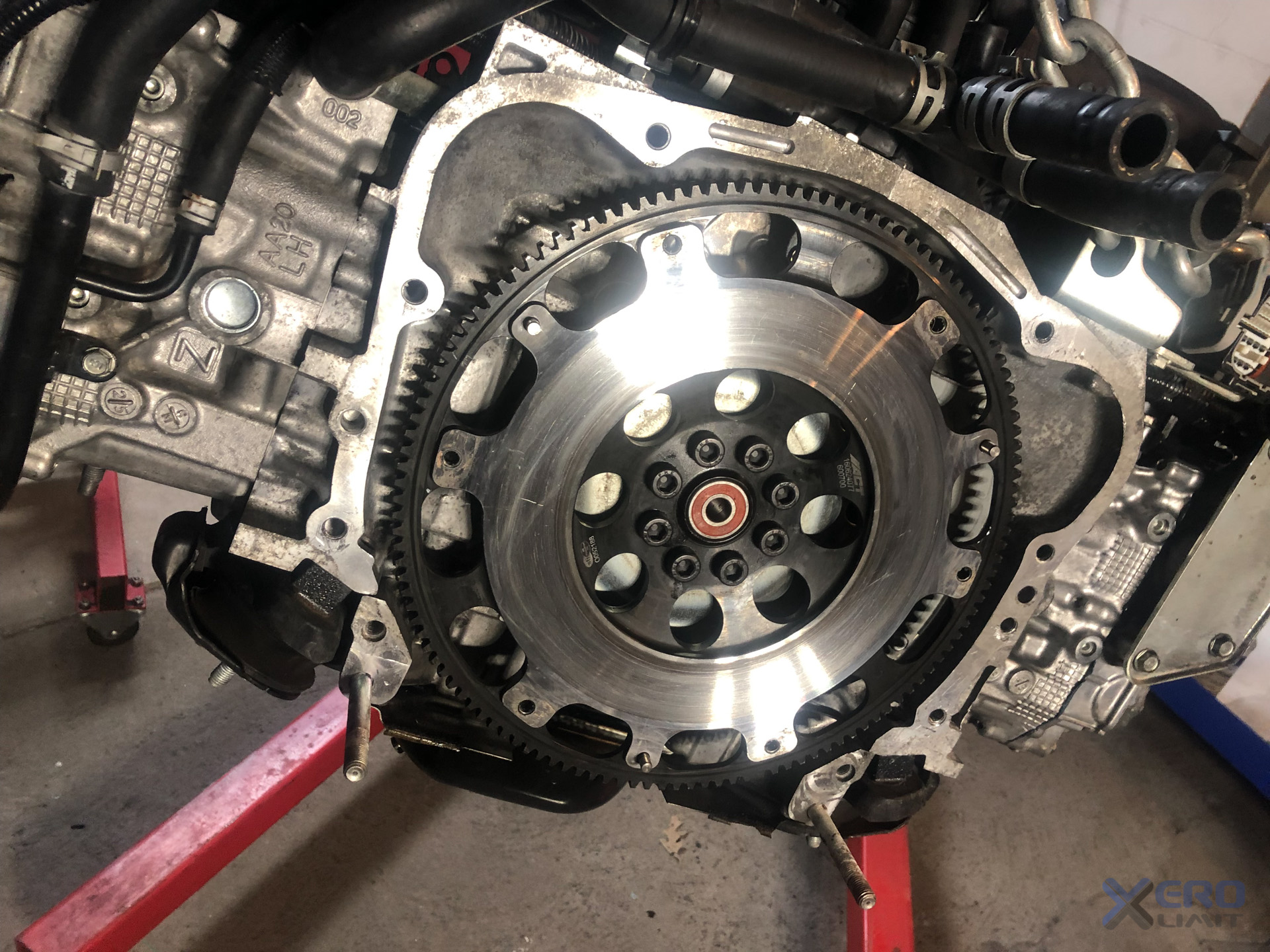 Nothing too tricky here, then a bit of hoist work and some muscle we're back in business.
Previous owner tinted all the windows and even the windshield, had to rip it off to pass inspection for a reconstructed vehicle, luckily came right off with a heat gun.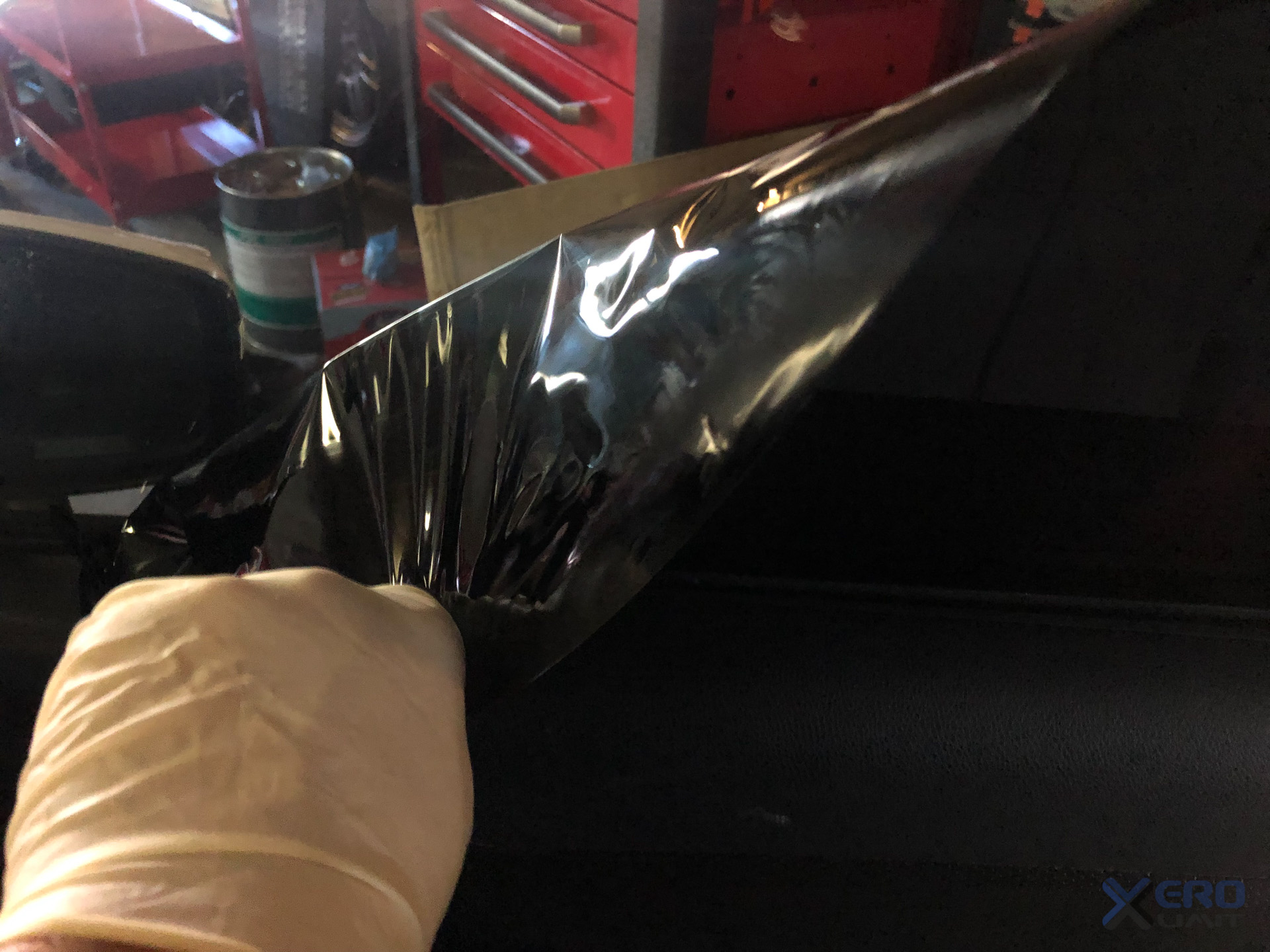 Happy to say it is 100% and sounds as quiet as stock thanks to the coating on the JE pistons. Even cold start is completely 100% OEM quiet. Threw on a basic tune to get it going, 100 miles later no check engine lights and no leaks, so we should be in the clear. First oil change was pretty dirty as expected, second oil change at 100 miles showed just a hint of glitter as one would expect at this point. Going to drive it a bit more while we peruse FI choices, still undecided between going with a high boost Harrop kit, a turbo kit, or both...
So we did a thing. After waiting several months we finally got somewhere with the build and began to install the kit.
This is a JDL kit with the GTX3071 Gen2, we made a quick CAI for it and ran a simple catch can.

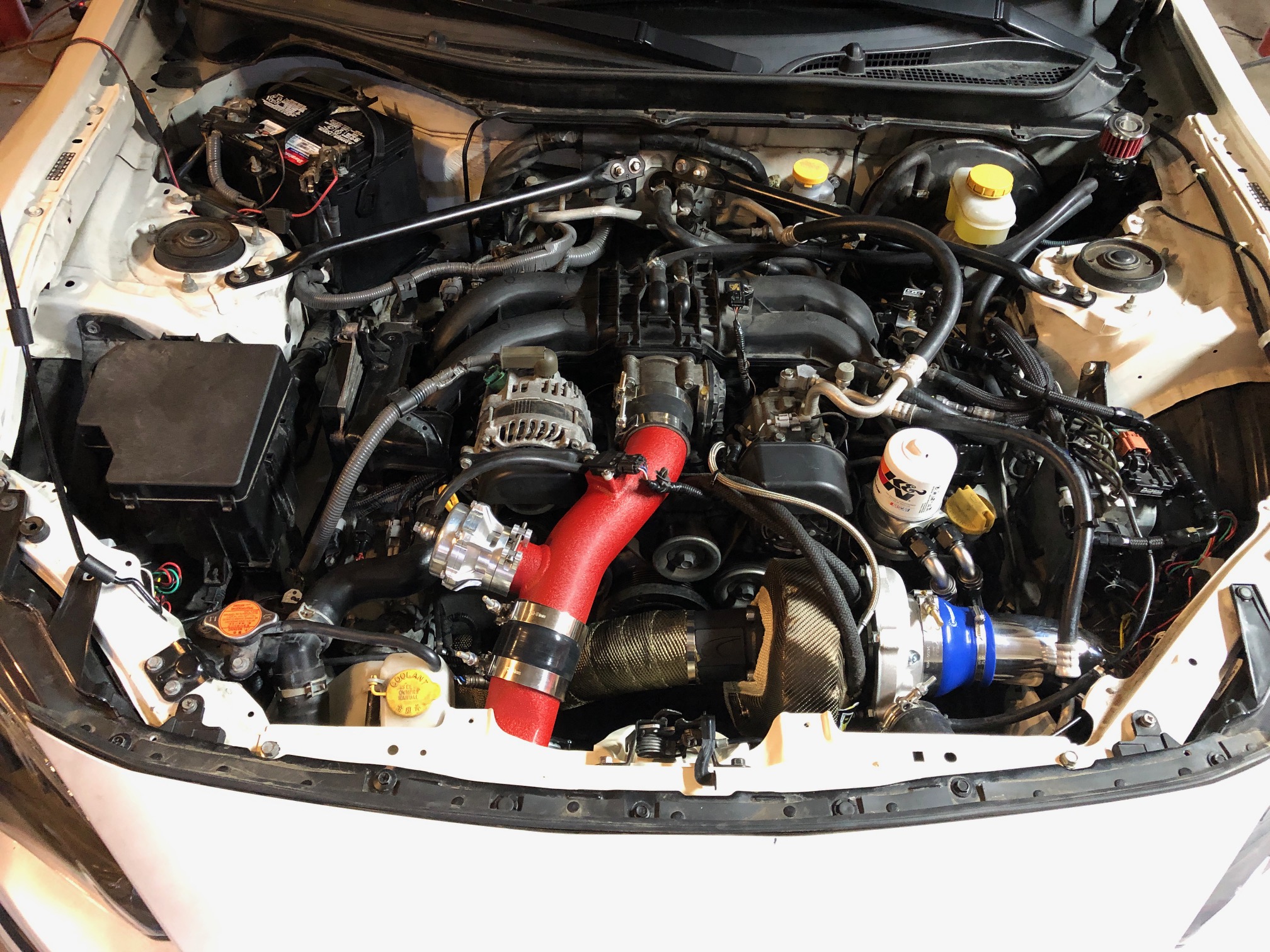 We did end up using JDL's shroud/SPAL fan combo. We chose to wire them in directly versus a whole new relayed setup. The factory fans and the draw of these particular fans is pretty similar, the factory wiring seems to be doing just fine. Some of the larger fans do draw more requiring the additional harness kit.
Last week we finally buttoned up the install, fixed a leaky dipstick o-ring (seems to be a trend...) and stuck it on the dyno. Baseline on wastegate on year old e76 gave us a very respectable number:

Perfect at 10psi and given the near 100F heat that day. Cranking it up to 20 or so psi we got better, but a bit shy of the 500 mark we were hoping for.
Having run out of time we pulled it off and had to settle at 470. Upon turning everything off and listening to it it became clear we had a big leak, turns out the hose under the intake plenum going to the TB had blown off. We had a massive 1/2" sized hole in our intake.
A week later we returned, this time with everything buttoned up a little tighter.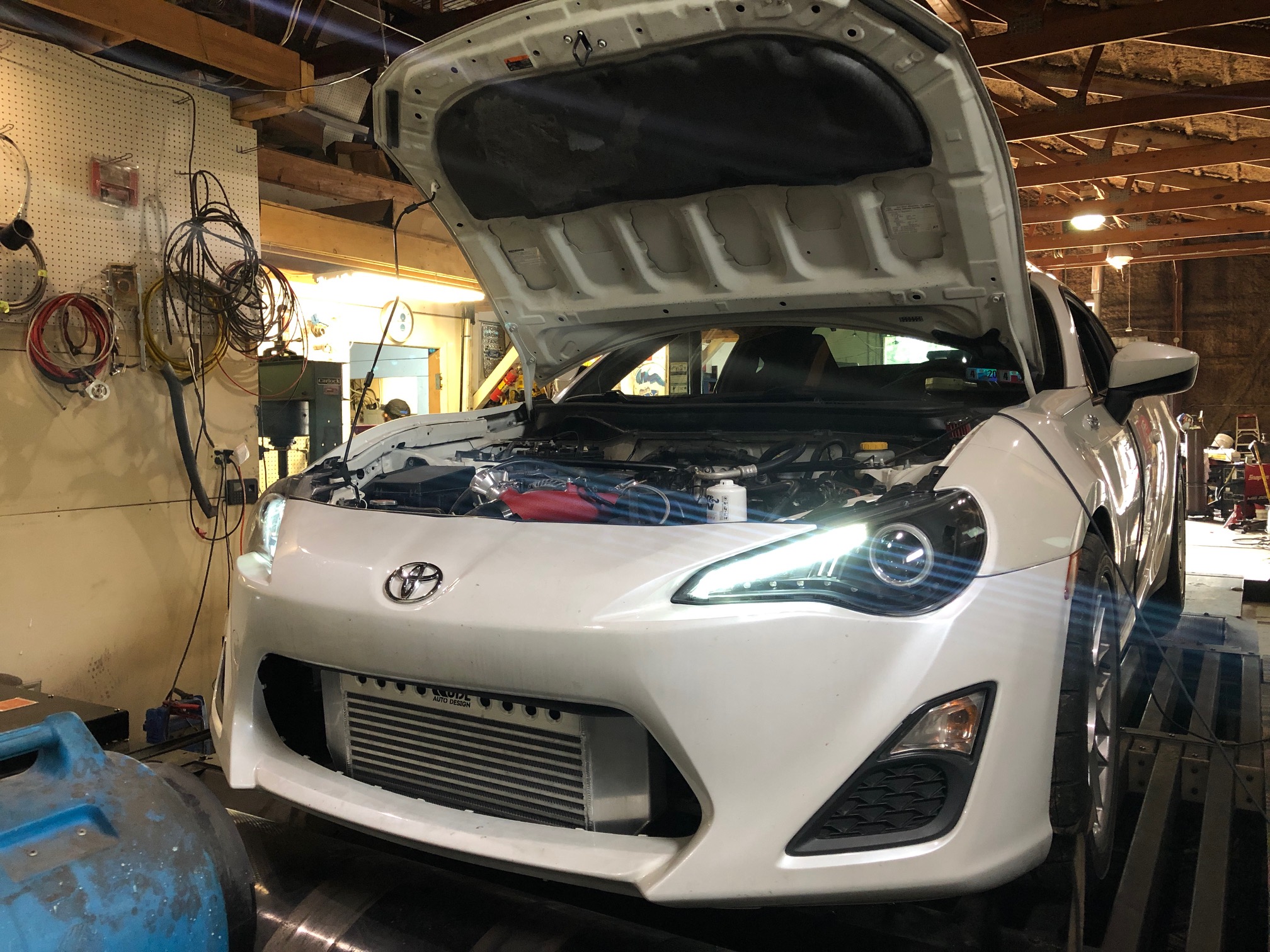 The first run was disappointing, we made zero additional power on high boost. Turning off the dyno fan it became clear our leak was back, this time it was the other side of that hose, the years have made it a bit more loose than normal. Correcting that issue we went back at it, this time, SUCCESS.

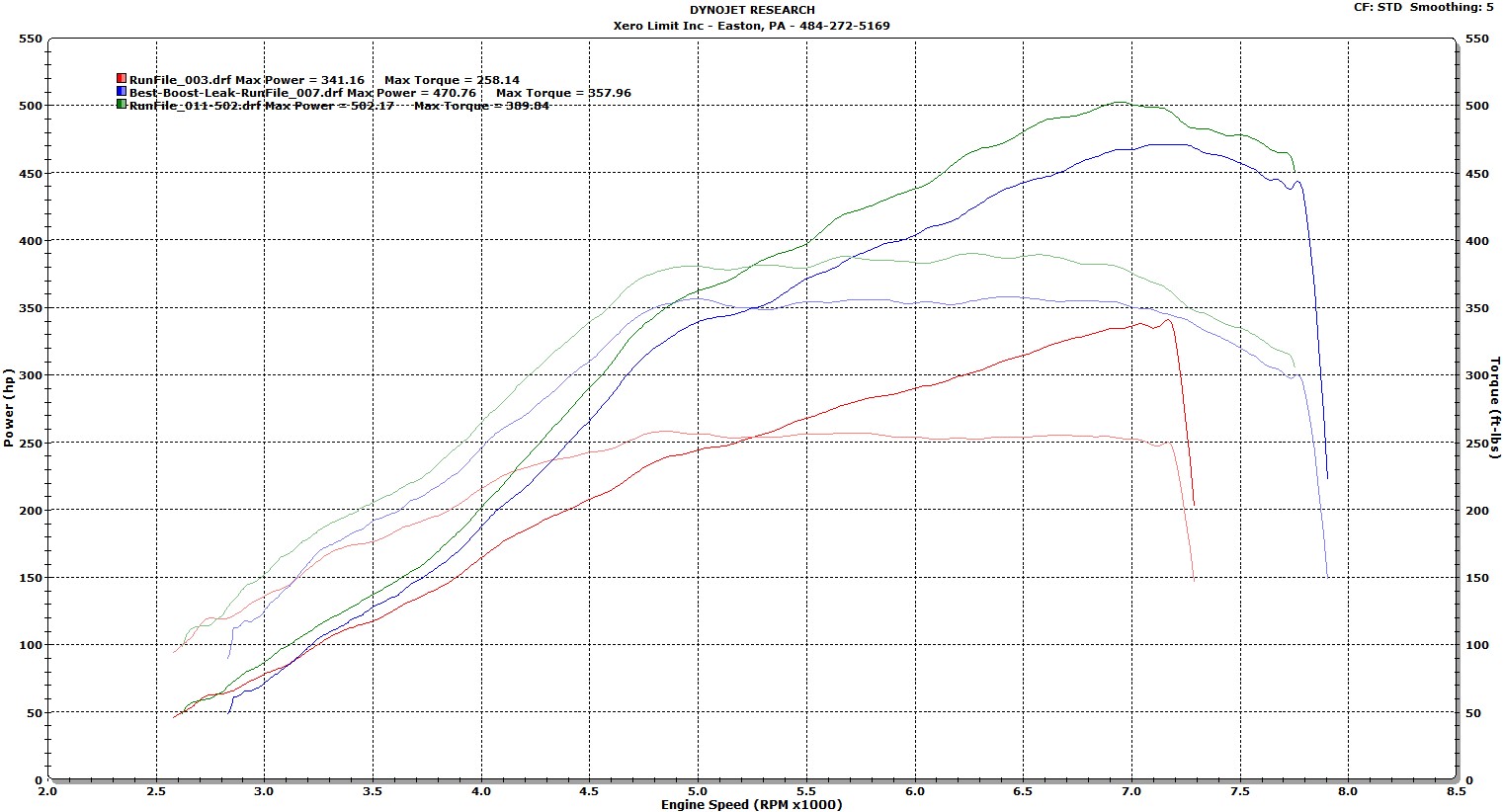 There you have it, 500+ whp, 3500+ of the rev range of usable torque, working power range of 300-500 whp with just the flick of the cruise stalk. Perfect.

We still have some more work to do to get it track worthy, the car is in need of coilovers and some track pads, then it should hopefully make it out this august.
Another point we have been asked about is the Reimax (thick) oil pump gear and how it holds up. Here's a plot of the oil pressure, we have our auxiliary oil pressure monitoring kit that feeds into the ECU, and logs it as Custom Map J output. We will enable it as a failsafe for the track, but here you can see how the oil pressure does at higher RPMs.

What we observed on track is that as the oil temperature goes up, our flow goes up and thus pressure goes down. However, we specifically built the motor in a way that the rods are prioritized flow wise, with tighter clearances on the mains. Testing on track showed adequate sustained pressure on 200 treadwear auto-x tires even on 150+ degree turns.
With that said, during a prolonged pull on ethanol/high power, one of the heads lifted and burned a channel between cylinders 1 and 3. Above 500 WHP it is clear that you need larger/625+ studs to hold things down. We were hoping that limiting to 500 would be sufficient to prevent lift, but frankly it is a toss up at that power level. In this case it failed rather spectacularly.


Though we may be laying this FA20 down to rest, through the ashes the FR-S will be reborn. This time, as the K24 FR-S!